The Luxembourg Garden
A royal story that has become public
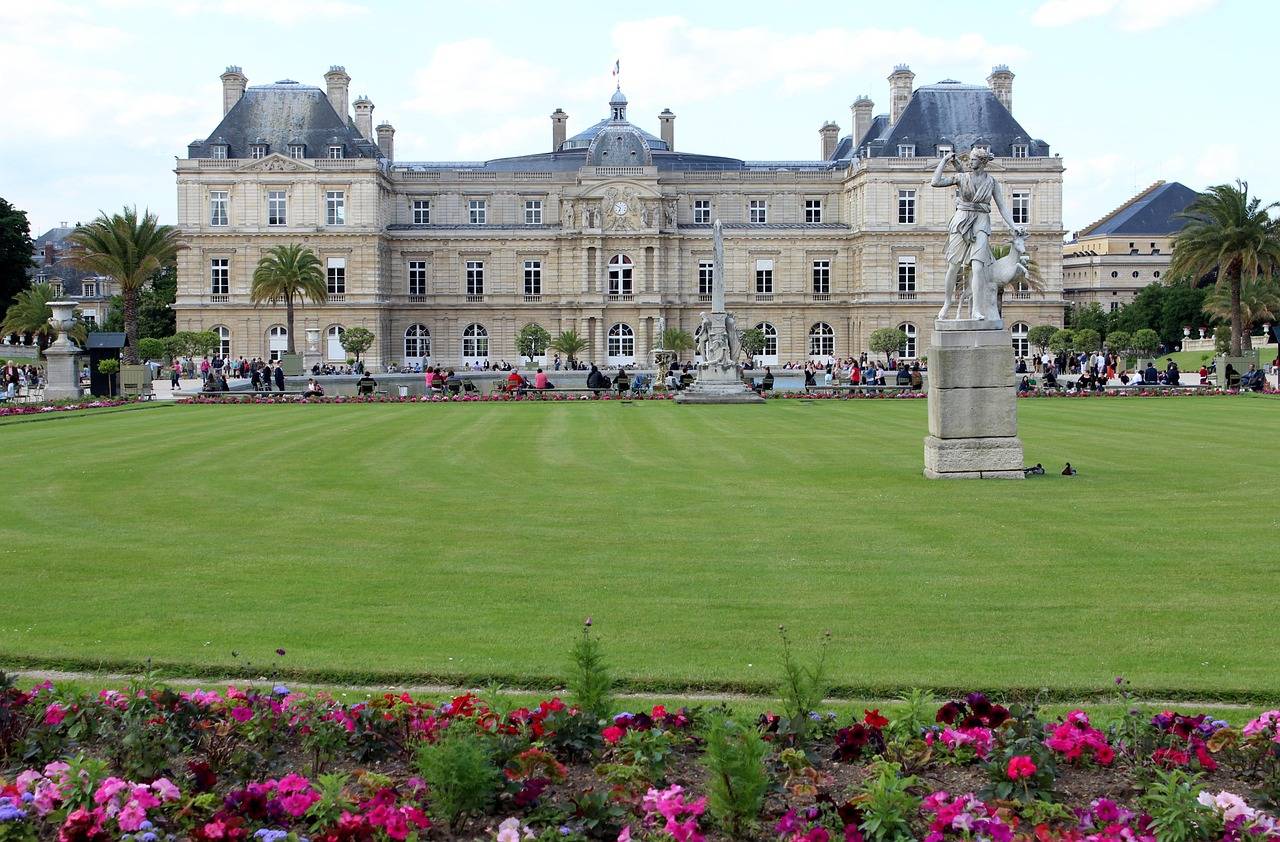
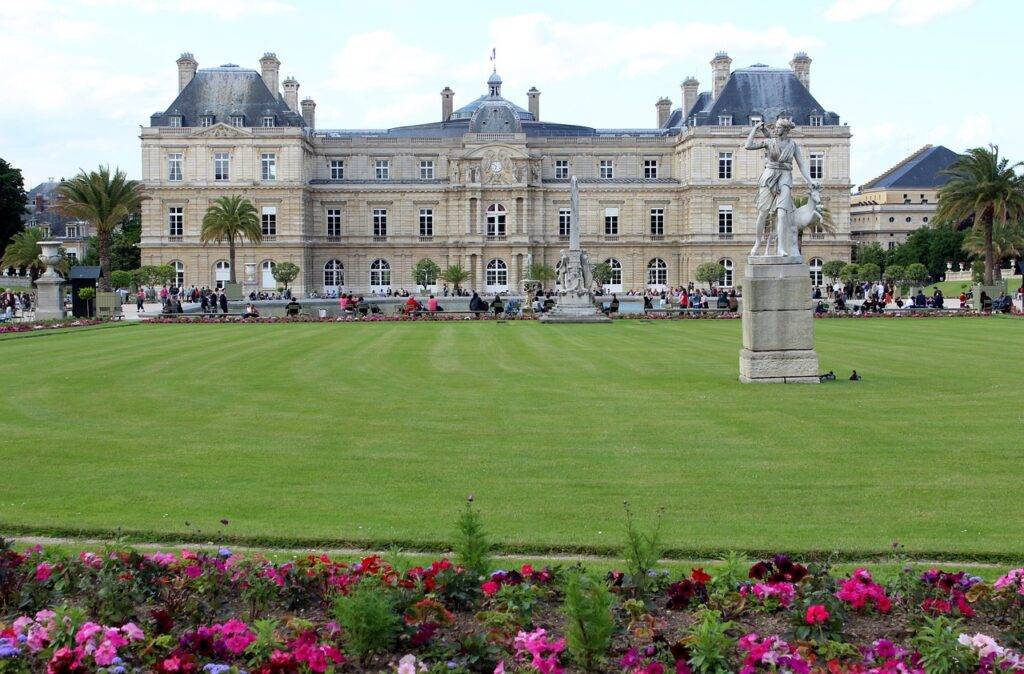
The Luxembourg Garden, located in the 6ᵉ arrondissement of Paris, is one of the most emblematic green spaces of the capital. Created in 1612 on the initiative of Marie de Medici, widow of King Henry IV, it was conceived as a pleasure garden surrounding the Luxembourg Palace. The queen, originally from Florence, wanted to find a little of the Italian atmosphere of her childhood, which explains the Tuscan influences still visible in the composition of the paths and flowerbeds. Over the centuries, the garden has evolved from a royal estate to a public space, welcoming Parisians in search of calm. Today, it belongs to the French Senate, whose headquarters are still located in the Luxembourg Palace, and remains one of the favorite places of locals and travelers alike.
A must-see place for a walk
The Luxembourg Garden covers almost 25 hectares, a harmonious blend of French and English styles. On one side, rectilinear paths, lined with perfectly trimmed trees; on the other, more romantic, winding and flowery spaces. To walk here is to discover an authentic Paris, far from the hustle and bustle of the grands boulevards. The emblematic green benches, the metal chairs that can be moved at will and the wide lawns invite you to relax. The place is particularly appreciated by students of the Sorbonne, located a few steps away, but also by families and curious travelers.
The central basin and its small boats
One of the most famous images of the garden is undoubtedly the large octagonal basin, located opposite the Luxembourg Palace. Here, children sail small colorful wooden boats, a tradition that has lasted for generations. This simple and poetic activity attracts Parisian families as much as foreign visitors, offering a lively and joyful show. The chairs arranged around the pool allow walkers to enjoy the sun, read a book or simply contemplate the surrounding animation.
Photo gallery


An open-air museum
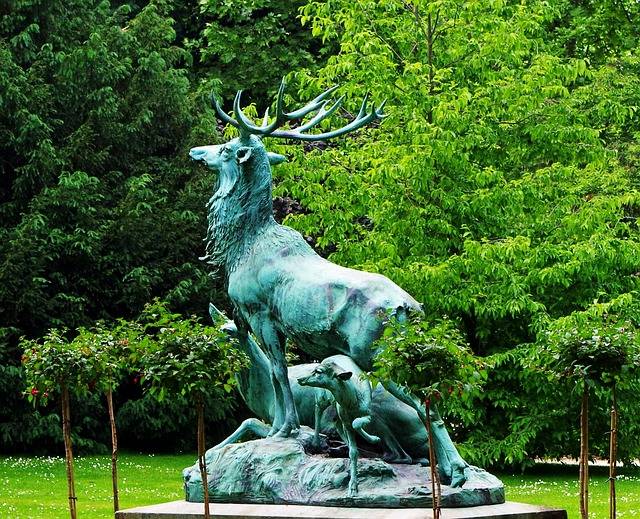
The Luxembourg Garden is also known for its impressive collection of statues. There are more than a hundred scattered throughout the alleys: queens of France, musicians, writers and mythological characters. The most famous is undoubtedly Bartholdi’s Statue of Liberty, a miniature version of the one offered to the United States by France. For art lovers, the garden is therefore much more than just a green space: it constitutes an open-air museum, accessible free of charge, where each walk becomes a cultural discovery.
Sports and leisure activities
The garden is not only a place of contemplation, it is also a living space. There are tennis courts, ping-pong tables and even a space dedicated to chess, always frequented by enthusiasts. Joggers will also find a pleasant route there, in the shade of the trees. For the youngest, several playgrounds are available, including a large wooden structure, as well as a puppet theater offering traditional shows very popular with families.Thus, everyone can experience the garden in their own way: by strolling, by practicing a sports activity or by sharing a convivial moment.
The orchard and the beehives: a corner of the countryside in Paris
Few foreign visitors know about this more secret facet of the Luxembourg Gardens. On part of the estate, there is an orchard which houses more than 600 varieties of apple and pear trees, as well as an active apiary. Every year, a honey festival is organized there, allowing curious people to discover urban beekeeping and taste a 100% Parisian production. This mixture of nature and tradition gives the place a unique atmosphere, reminding that Paris can also be a green and agricultural city.
A place alive to the rhythm of the seasons
The Luxembourg Garden changes its appearance throughout the year. In spring, the flowerbeds are covered with colorful flowers, while in summer the lawns are taken by storm by those looking for a moment of relaxation in the sun. In autumn, the alleys are adorned with golden leaves, creating an ideal romantic atmosphere for walks. Even in winter, the garden retains its charm, with its statues that stand out in the mist or under a thin layer of snow. For foreign visitors, discovering the garden at different seasons makes it possible to understand how much it is part of the daily life of Parisians.
Video
How to visit the Luxembourg Garden
Located between the Latin Quarter and the chic Saint-Germain-des-Prés district, the garden is easily accessible by metro (Odeon, Luxembourg or Saint-Sulpice stations). Admission is free and free, which makes it an ideal stopover during a stay in Paris. The garden is open every day, with hours that vary according to the seasons. It is advisable to come in the morning to enjoy the calm, or in the late afternoon to observe the Parisian animation.