Monuments

  • The Defense

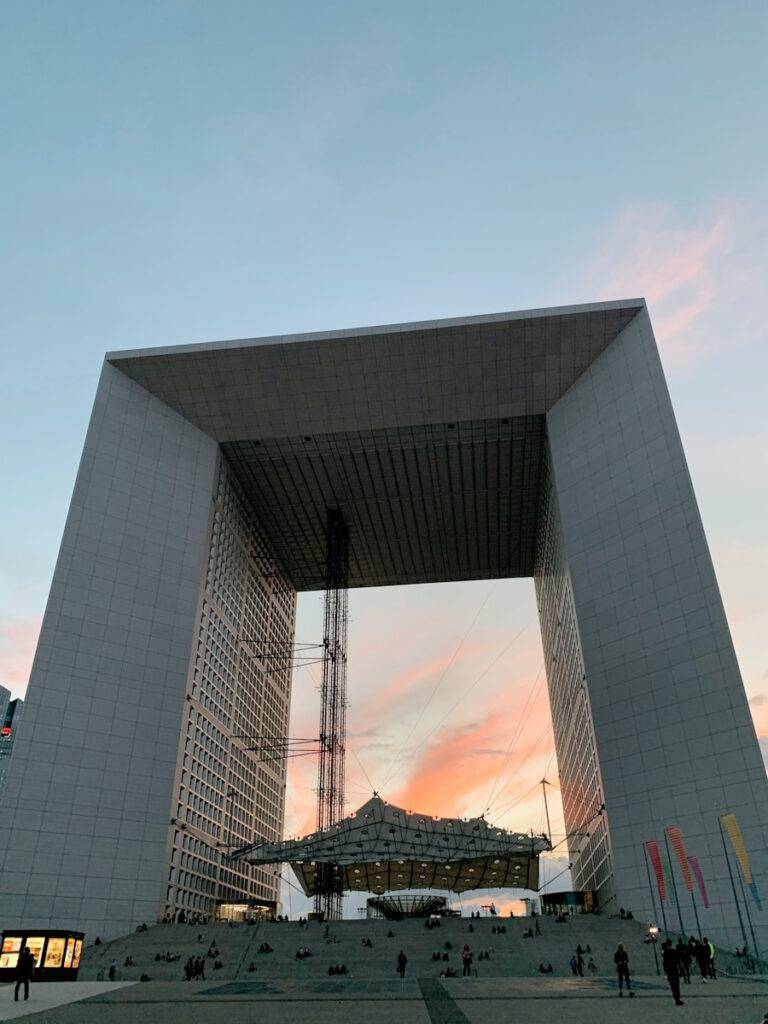
    Located in the west of Paris, on the historic axis that connects the Louvre, the Champs-Elysées and the Arc de Triomphe, the Defense district is the beating heart of modern Paris. Born in the 1950s to respond to post-war economic growth, it has become the largest business district in Europe, with more than 70 towers,…
  • Arc de Triomphe

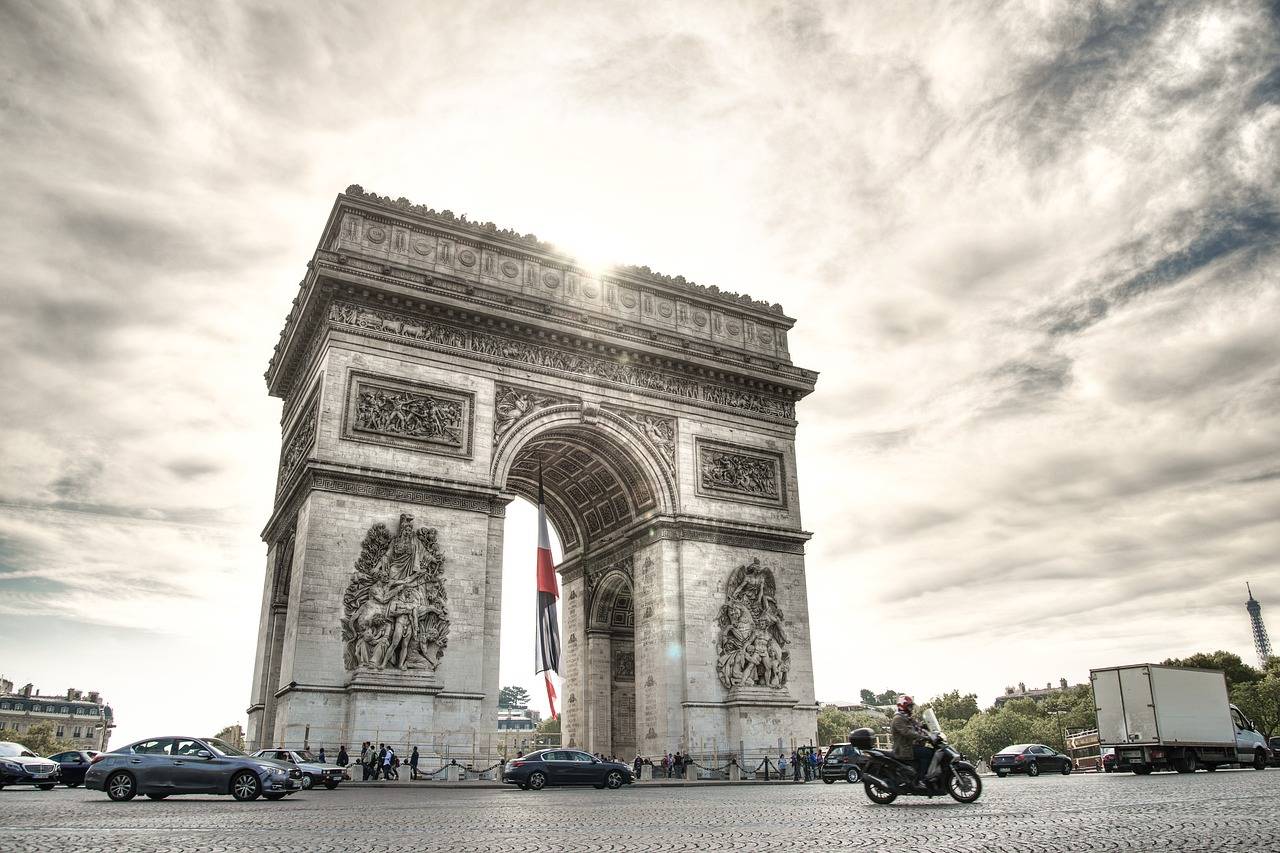
    The Arc de Triomphe Etoile, called Arc de Triomphe, is located in Paris, on Place Charles de Gaulle or formerly Place de l’Etoile, at the western end of Avenue des Champs-Elysées . In addition, it is located northwest of Place de la Concorde. Place de l’Etoile forms a roundabout giving access to twelve avenues: Champs-Elysees,…

  • The Conciergerie

    From the royal castle to the prison, the Conciergerie has been the scene of some of the most important moments in the history of France. The building was once the seat of the monarchy, survived the French Revolution and today serves as an important museum. To visit it is to walk through a living history…

  • Les Invalides

    The Hôtel des Invalides is famous for its dome, which was covered during its restoration in 1989 with more than 555,000 gold leaves laid by ten master gilders. Today the Dôme des Invalides houses the ashes of Napoleon brought back in 1840. The hospital tradition continues with a state-of-the-art surgical hospital.The North-West wing houses the…

  • Garnier Opera

    The Opéra Garnier was built during the great reform of the French capital orchestrated by Napoleon III and Baron Haussmann in the 19th century. Built in 1862 by the young architect Charles Garnier in the Second Empire style. It was completed in 1875 in the early days of the Third Republic. It was then the…

  • The Pantheon

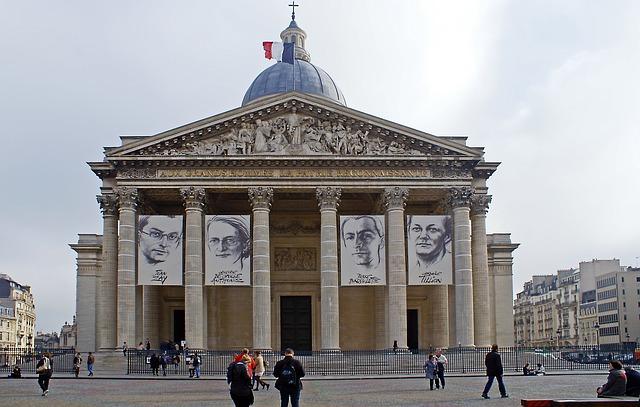
    Located on the hill of Sainte-Geneviève, in the 5th arrondissement of Paris, near the Luxembourg Gardens and opposite the University of Paris (Sorbonne), the Pantheon is one of the great monuments of Paris. Fascinating from afar by its neo-classical architecture, the building is a work of art by the architect Soufflot (who is also buried…

  • Champs Elysées

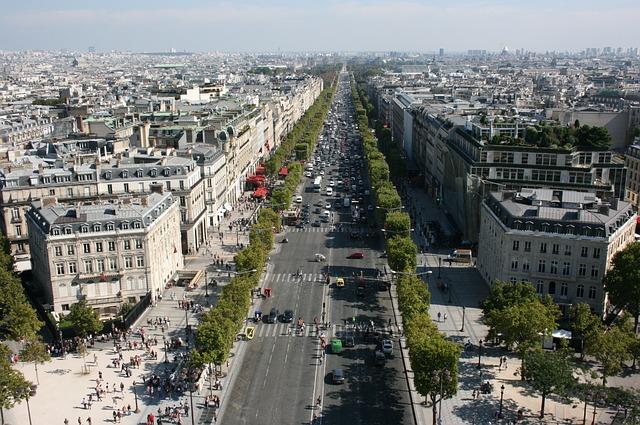
    From Place de la Concorde to Place Charles de Gaulle-Etoile, this artery, traced by Le Nôtre, who was commissioned by Louis XIV to redesign the Tuileries Gardens, allowed the royal gaze from the Tuileries Palace to follow the course of the sun’s star and see it setting in the extension of what would become the…